Self-Watering Herb Garden Planter: Grow Fresh Kitchen Herbs Year-Round with Zero Hassle
Discover how this innovative indoor herb grow tray with automatic watering delivers restaurant-quality fresh herbs right on your countertop—no green thumb required
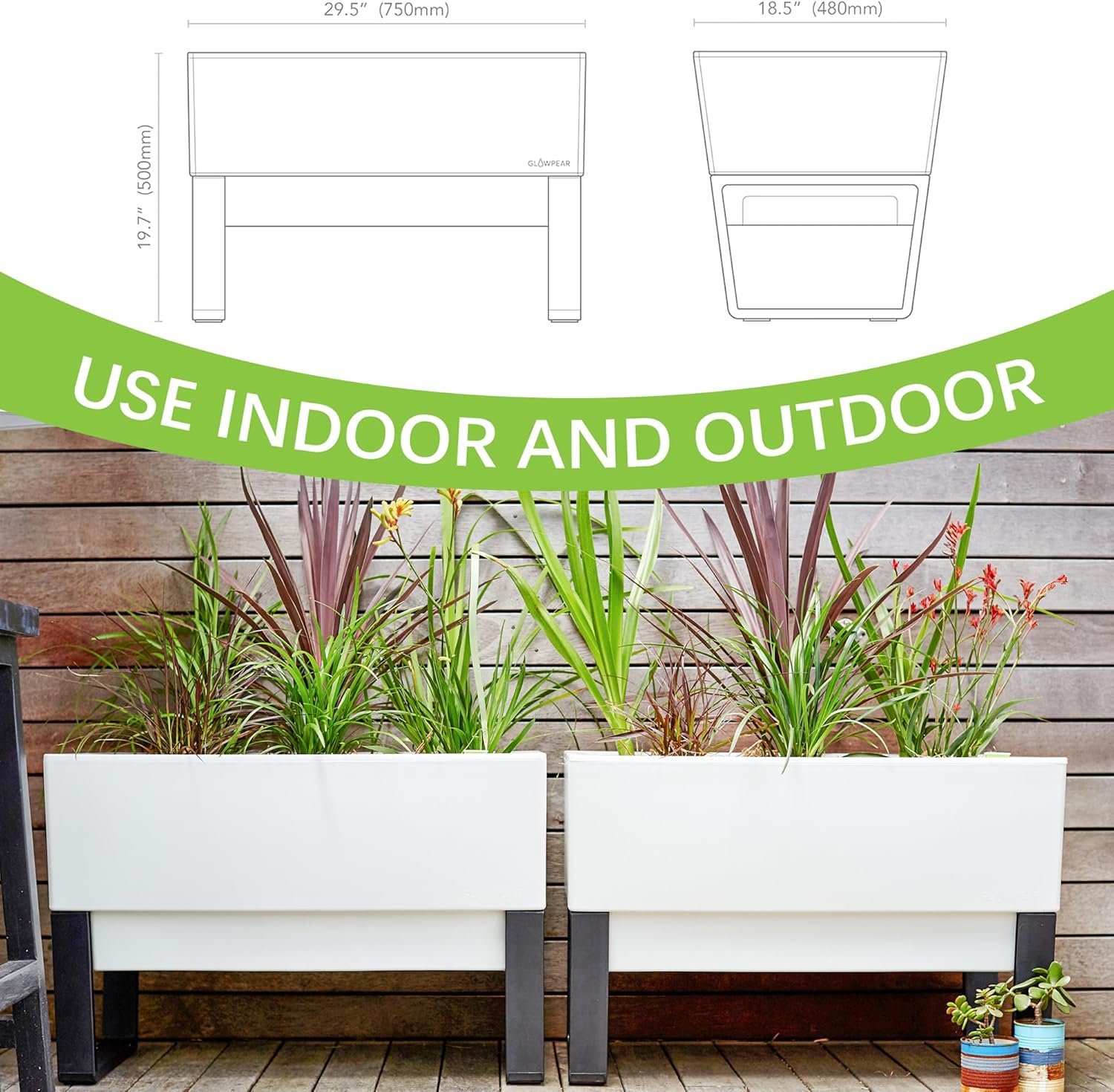
There's something magical about snipping fresh basil, thyme, or parsley from your own indoor herb garden seconds before it hits your dish. But let's be honest—most kitchen herb gardens fail within weeks. Overwatering drowns delicate roots, underwatering turns lush leaves crispy, and inconsistent care produces weak, flavorless plants. This self-watering herb planter changes everything. With a built-in reservoir system that delivers consistent moisture directly to roots, your herbs thrive with minimal intervention. No more daily watering checks, no more guilt over forgotten plants, no more buying expensive herb bundles at the grocery store only to watch them wilt in the fridge. Whether you're an experienced gardener looking to streamline herb production or a complete beginner wanting foolproof fresh herbs, this urban garden planter brings the ease of set-it-and-forget-it growing to your kitchen counter.
🌿 Start Your Kitchen Herb Garden Today
Self-watering system. Fresh herbs year-round. Transform your cooking now!
View on Amazon →*Affiliate link - Supporting home gardeners everywhere
Why Traditional Herb Pots Fail (And Self-Watering Solves It)
The #1 killer of indoor herb gardens is inconsistent watering. Herbs need evenly moist soil—not waterlogged, not bone dry. Traditional pots make this incredibly difficult. You water generously, excess drains away (hopefully into a saucer), and within days the soil dries out. Miss a day? Your herbs wilt. Overcompensate? Roots rot. This constant guessing game is exhausting and usually ends with dead plants. Self-watering planters eliminate the guesswork entirely. The reservoir holds water that wicks up through the growing medium as needed, maintaining consistent moisture in the root zone while excess water drains back into the reservoir. It's genius in its simplicity—and it works.
🌱 Benefits of Self-Watering Herb Gardens
- ✓ Consistent moisture: Roots access water as needed—no more feast or famine cycles
- ✓ Reduced watering frequency: Refill reservoir once weekly vs. daily watering
- ✓ Healthier plants: Even moisture prevents stress and produces more vigorous growth
- ✓ Better flavor: Stress-free herbs develop stronger essential oils and taste
- ✓ Less disease: Bottom watering keeps foliage dry, preventing fungal issues
- ✓ Vacation-proof: Plants survive 1-2 weeks unattended with full reservoir
- ✓ Space-efficient: Grow multiple herb varieties in one compact planter
How Self-Watering Systems Work: The Science
Understanding the mechanism helps you get the most from your herb grow tray. The system has three main components:
- 1. Water Reservoir: The bottom chamber holds water supply—typically 1-2 quarts depending on planter size. Fill through a designated opening or by lifting the growing tray.
- 2. Growing Medium: Special soil mix or grow medium sits above the reservoir. It must be capable of wicking moisture upward while maintaining good drainage.
- 3. Wicking System: Either fabric wicks, capillary matting, or direct contact allows water to move upward through capillary action, delivering moisture to the root zone as soil dries.
The beauty of this system is its self-regulation. When soil is saturated, capillary action slows. As plants drink and soil dries, wicking increases. It's a passive, automatic system that responds to plant needs without pumps, timers, or electricity.
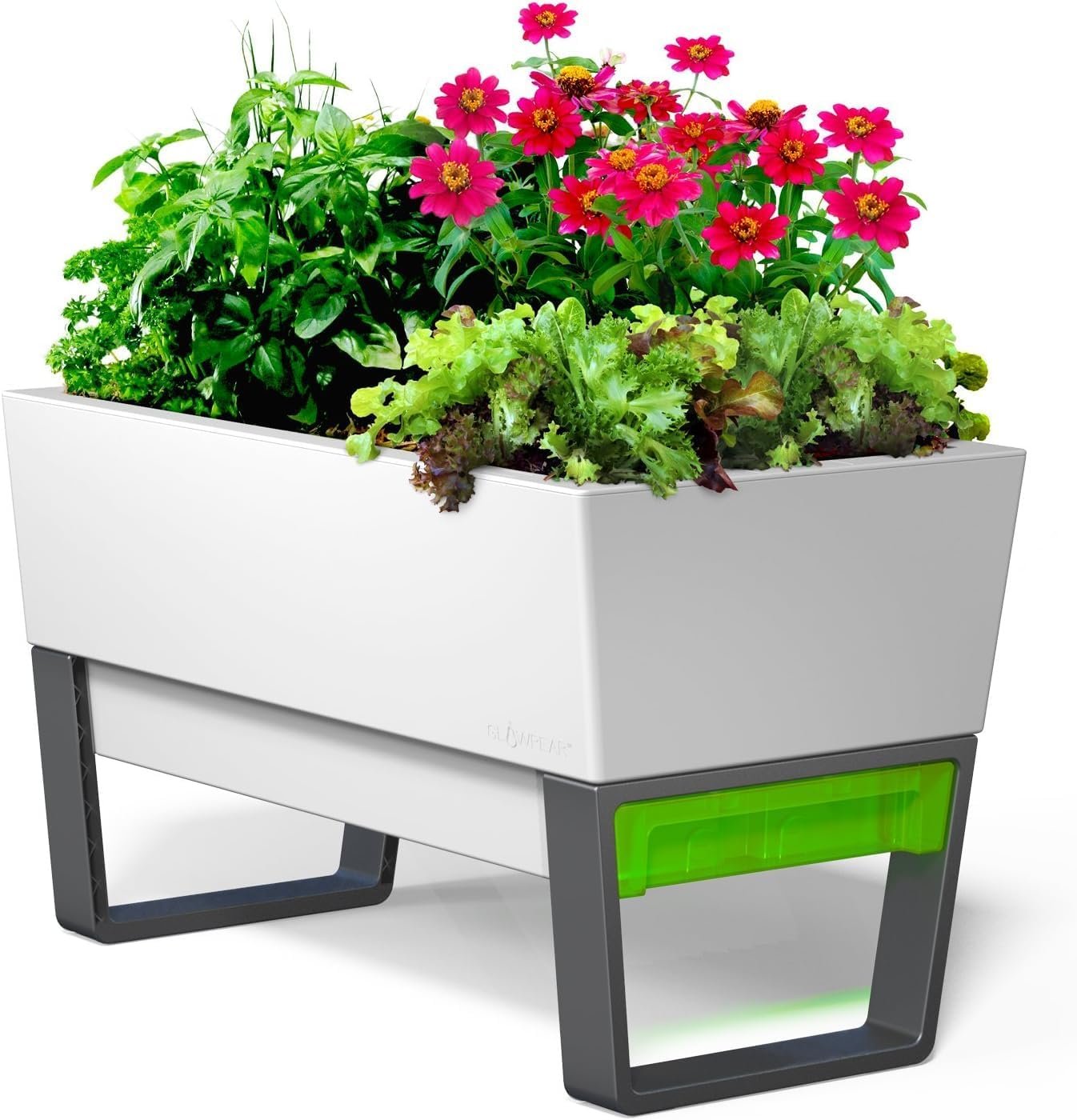
The built-in reservoir system provides consistent moisture without overwatering
Best Herbs for Self-Watering Planters
While most culinary herbs thrive in self-watering systems, some perform exceptionally well:
🌿 Top-Performing Herbs
- • Basil: Thrives with consistent moisture. Multiple varieties for variety
- • Parsley: Both curly and flat-leaf grow vigorously in self-watering systems
- • Cilantro: Stays productive longer with even moisture—less bolting
- • Mint: Aggressive growth contained; loves consistent water
- • Chives: Perennial herb that produces continuously
- • Oregano: Steady growth with excellent flavor development
🥗 Bonus Options
- • Lettuce/Greens: Microgreens and baby lettuce grow rapidly
- • Arugula: Peppery leaves ready in 3-4 weeks
- • Spinach: Baby spinach for continuous harvest
- • Kale: Dwarf varieties produce nutrient-dense leaves
- • Swiss Chard: Rainbow chard adds color and nutrition
- • Watercress: Loves moisture-rich environment
Complete Setup Guide: From Box to Harvest
Get your indoor herb garden productive quickly with proper setup:
Step-by-Step Installation
- 1. Choose your location: Place near a bright window (south or west-facing ideal) or supplement with grow lights. Herbs need 6-8 hours of light daily.
- 2. Assemble the planter: Follow manufacturer instructions. Ensure reservoir and growing tray fit properly with no gaps.
- 3. Add growing medium: Use a quality potting mix designed for containers. Avoid garden soil which compacts and blocks wicking. Pre-moisten the medium before planting.
- 4. Plant seeds or transplants: Seeds: Sprinkle evenly, press lightly into soil, cover with thin layer. Transplants: Remove from pots, loosen roots gently, plant at same depth.
- 5. Initial watering: Water from the top first to settle soil and establish root contact. After 1-2 weeks, transition to reservoir filling only.
- 6. Fill the reservoir: Use the filling tube or lift the tray to fill the reservoir. Check the water level indicator if equipped.
- 7. Monitor establishment: First 2 weeks are critical. Ensure seedlings don't dry out while roots develop. Check soil moisture daily initially.
- 8. Thin seedlings: Once seedlings have 2-3 sets of true leaves, thin to recommended spacing. Use thinned seedlings in salads!
Maintenance Schedule for Maximum Production
Keep your herb garden thriving with this simple maintenance routine:
| Frequency | Task | Why It Matters |
|---|---|---|
| Weekly | Check & refill reservoir | Prevents dry-out and plant stress |
| Weekly | Harvest mature leaves | Promotes bushier growth and productivity |
| Bi-weekly | Apply liquid fertilizer | Replenishes nutrients for vigorous growth |
| Monthly | Inspect for pests | Early detection prevents infestations |
| Monthly | Clean reservoir | Prevents algae and mineral buildup |
| Quarterly | Replace soil/medium | Refreshes nutrients and prevents disease |
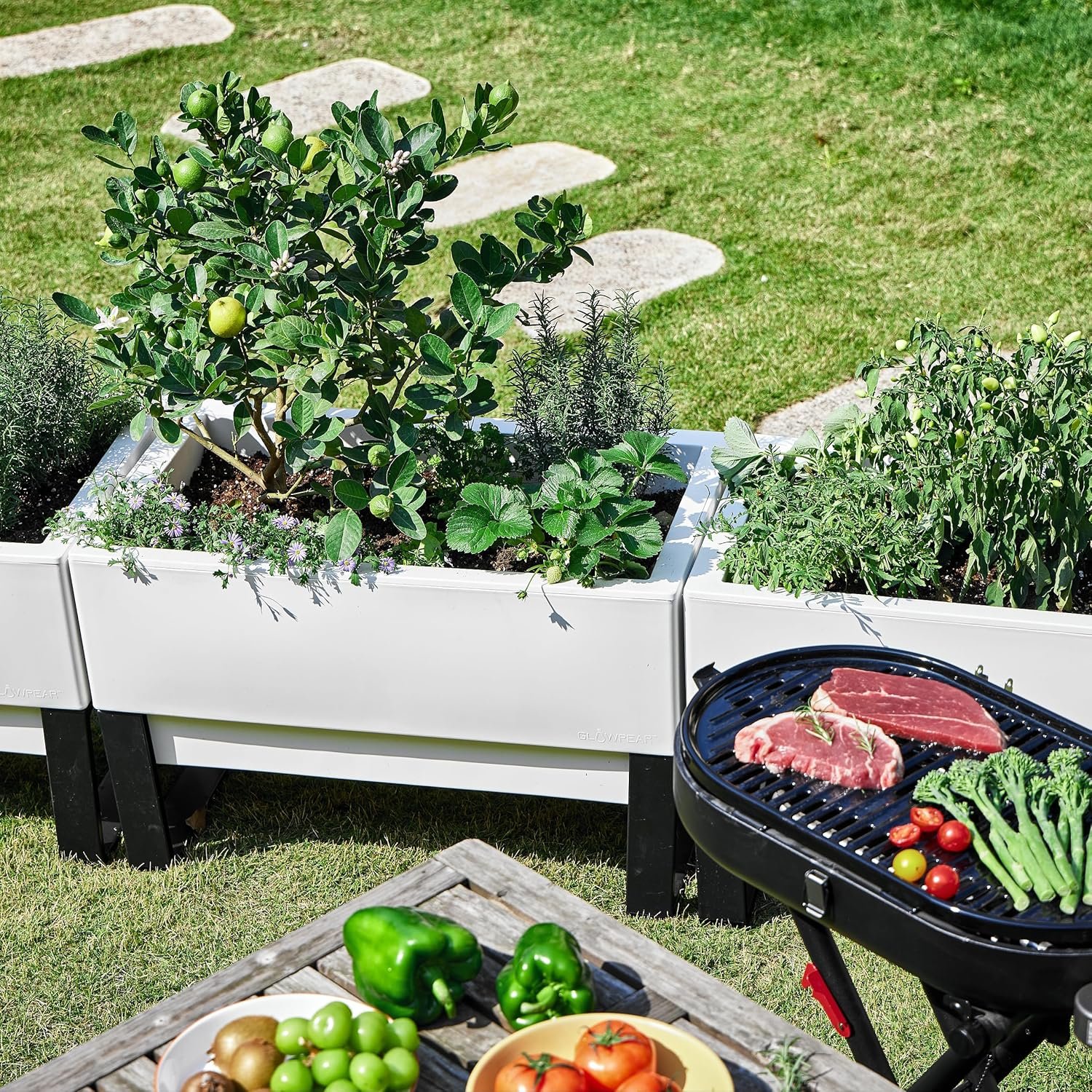
Regular harvesting encourages bushier, more productive herb plants
Harvesting Tips for Continuous Production
Proper harvesting techniques keep your kitchen herb garden producing for months:
- Start harvesting early: Once plants have 6-8 leaves, begin light harvesting. This encourages branching and bushier growth.
- Use the "pinch and harvest" method: Pinch stems just above a leaf node. This triggers the plant to produce two new branches from that point.
- Never take more than 1/3: Harvest no more than one-third of the plant at once. This ensures continued photosynthesis and recovery.
- Harvest in the morning: Essential oils are most concentrated after the cool night before sun exposure.
- Cut, don't tear: Use clean scissors or pruners to make neat cuts that heal quickly.
- Take from the top: Harvest upper growth first to encourage lower branching and fuller plants.
- Remove flower buds: Pinch off flowers as they appear to keep plants in vegetative growth for leaf production.
Common Problems & Solutions
Troubleshoot issues quickly to keep your garden thriving:
Cause: Insufficient light causes plants to reach for more.
Solution: Move closer to window or add supplemental grow lights. Herbs need 6-8 hours of bright light daily.
Cause: Nitrogen deficiency or natural aging.
Solution: Increase fertilization frequency. Remove dead leaves promptly to prevent disease.
Cause: Insufficient light, nutrients, or temperature too low.
Solution: Ensure 65-75°F temps, adequate light, and regular fertilization. Herbs are warm-season plants.
Cause: Root rot from standing water or damaged wicking system.
Solution: Check that reservoir isn't overfilled. Ensure wicking system is functioning. May need to replant in fresh medium.
Cost Savings: Fresh Herbs on Demand
The economics of growing your own herbs are compelling:
- Grocery store herb bundles: $3-5 each, used partially, remainder wilts within days
- Annual herb purchases: If you cook regularly, easily $200-400 per year on fresh herbs
- Self-watering planter investment: One-time cost of $30-60 depending on size
- Seeds or starter plants: $10-20 for initial planting
- Ongoing costs: Fertilizer and occasional soil refresh—$20-30 annually
- Payback period: Typically 2-4 months with regular use
- Freshness advantage: Harvest seconds before use vs. days-old grocery store herbs
- Variety options: Grow specialty herbs unavailable locally (lemon basil, Thai basil, purple sage, etc.)
Perfect For These Situations
A self-watering herb planter is especially valuable for:
- • Busy professionals: Low-maintenance gardening fits hectic schedules—check once weekly
- • Apartment dwellers: No outdoor space needed—thrives on sunny countertops or windowsills
- • Beginner gardeners: Foolproof system eliminates most common mistakes
- • Cooking enthusiasts: Fresh herbs elevate every dish with maximum flavor
- • Frequent travelers: Plants survive 1-2 weeks unattended with full reservoir
- • Small kitchens: Compact design doesn't consume valuable counter space
- • Health-conscious eaters: Pesticide-free organic herbs you control completely
- • Teachers/students: Great educational tool for learning about plant growth
- • Budget shoppers: Significant savings vs. buying fresh herbs repeatedly
🌿 Start Growing Fresh Herbs Today
Stop buying expensive herb bundles that wilt in your fridge. This self-watering system delivers restaurant-quality fresh herbs right on your counter—effortlessly.
🛒 Get Your Herb Garden Now✓ Self-watering system | ✓ Year-round fresh herbs | ✓ Beginner-friendly
*As an Amazon Associate, we earn from qualifying purchases
📚 Related Articles
Affiliate Disclosure: This article contains Amazon affiliate links. When you purchase through these links, we may earn a small commission at no additional cost to you. This helps us continue creating helpful content for home gardeners and cooking enthusiasts.
Our recommendations are based on extensive testing of indoor growing systems and culinary herb production. We only recommend products that deliver genuine results and make home herb gardening accessible to everyone.