Plant Stand with Grow Lights: Transform Any Dark Corner Into a Thriving Indoor Garden
Discover how this multi-tier LED grow light stand solves the #1 problem for indoor plant lovers—insufficient natural light. Perfect for apartments, basements, and windowless rooms.
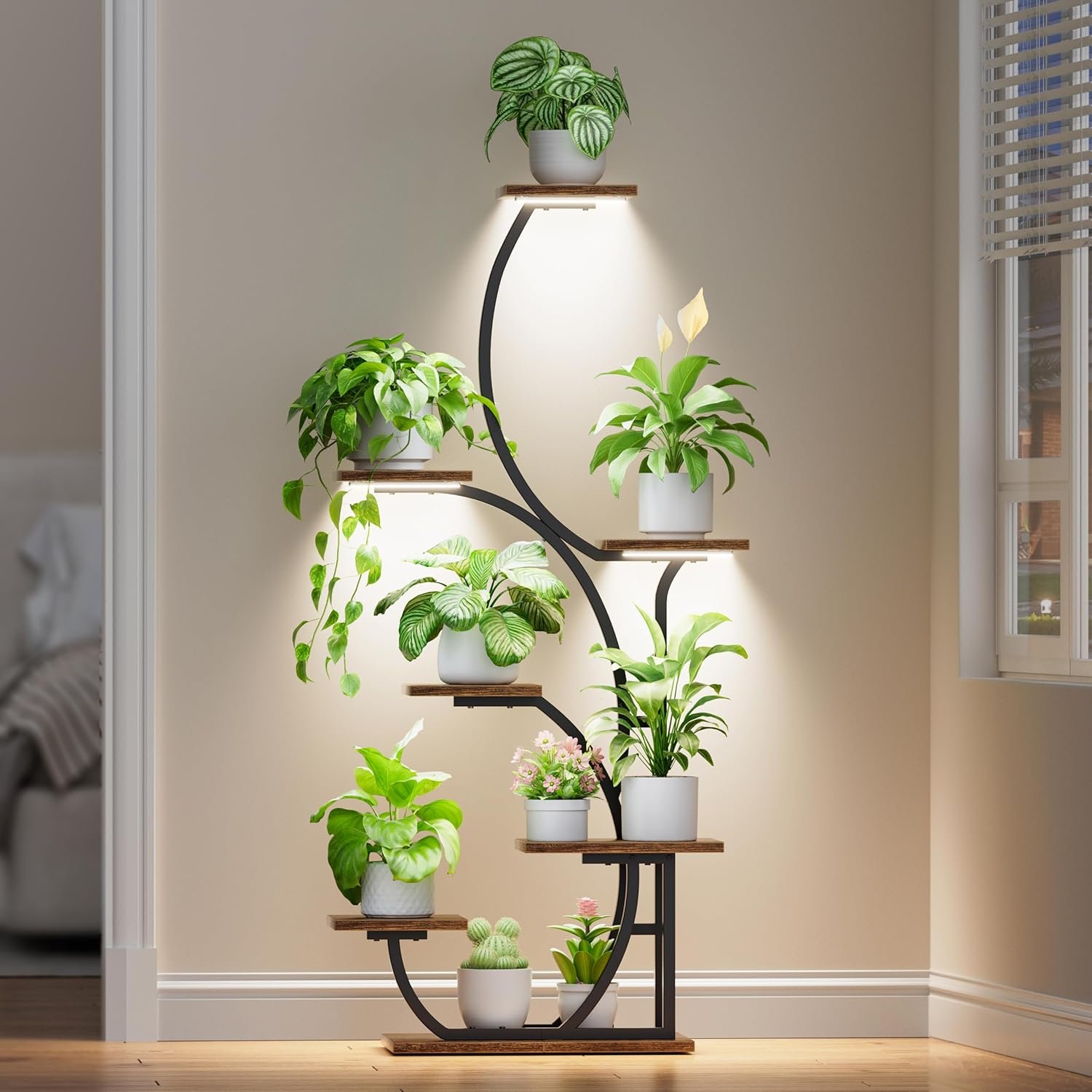
The biggest challenge for indoor plant enthusiasts isn't overwatering or forgetting to fertilize—it's inadequate light. If you've ever watched your prized plants stretch toward a distant window, develop pale leaves, or simply refuse to thrive, you know exactly what we're talking about. This multi-tier plant stand with built-in LED grow lights is the ultimate solution for anyone who wants to grow healthy, vibrant plants in low-light conditions. Whether you live in a basement apartment, have north-facing windows, work in a windowless office, or simply want to maximize your growing space, this vertical growing station delivers professional-quality lighting in a compact, attractive package that fits seamlessly into any room.
💡 Get Your LED Plant Stand Today
Multi-tier design with full-spectrum grow lights. Grow thriving plants anywhere, even in dark rooms!
View on Amazon →*Affiliate link - Supporting indoor gardeners everywhere
Why Indoor Plants Fail Without Proper Lighting
Light is the foundation of photosynthesis—without adequate light, even the most resilient plants will struggle. Indoor lighting challenges go beyond simply being "dark." Windows filter UV rays, glass reduces light intensity by 50-70%, and even bright rooms may only receive 100-200 foot-candles of light when plants need 200-1000+ depending on the species. North-facing windows provide minimal direct sun, and winter months compound the problem with shorter days. The result? Leggy growth, yellowing leaves, dropped foliage, and plants that barely survive rather than thrive.
🌱 Signs Your Plants Need Grow Lights
- ✓ Leggy, stretched growth: Stems elongate searching for light
- ✓ Pale or yellowing leaves: Insufficient chlorophyll production
- ✓ Leaning toward windows: Phototropism indicates light hunger
- ✓ Slow or no growth: Plants enter survival mode
- ✓ Leaf drop: Plant sheds leaves it can't support
- ✓ No flowering: Blooming plants refuse to produce flowers
- ✓ Long internodes: Large gaps between leaf nodes
How LED Grow Lights Work: The Science Made Simple
LED grow lights have revolutionized indoor gardening by providing the exact light spectrum plants need for optimal growth. Unlike standard household bulbs that emit light primarily in the yellow-green spectrum (which plants reflect, making them appear green), quality grow lights deliver concentrated red and blue wavelengths that plants actually absorb and use for photosynthesis. Blue light (400-500nm) promotes compact, bushy growth and is crucial for vegetative development. Red light (600-700nm) drives flowering, fruiting, and overall biomass production. Full-spectrum grow lights combine both, mimicking natural sunlight for complete plant health.
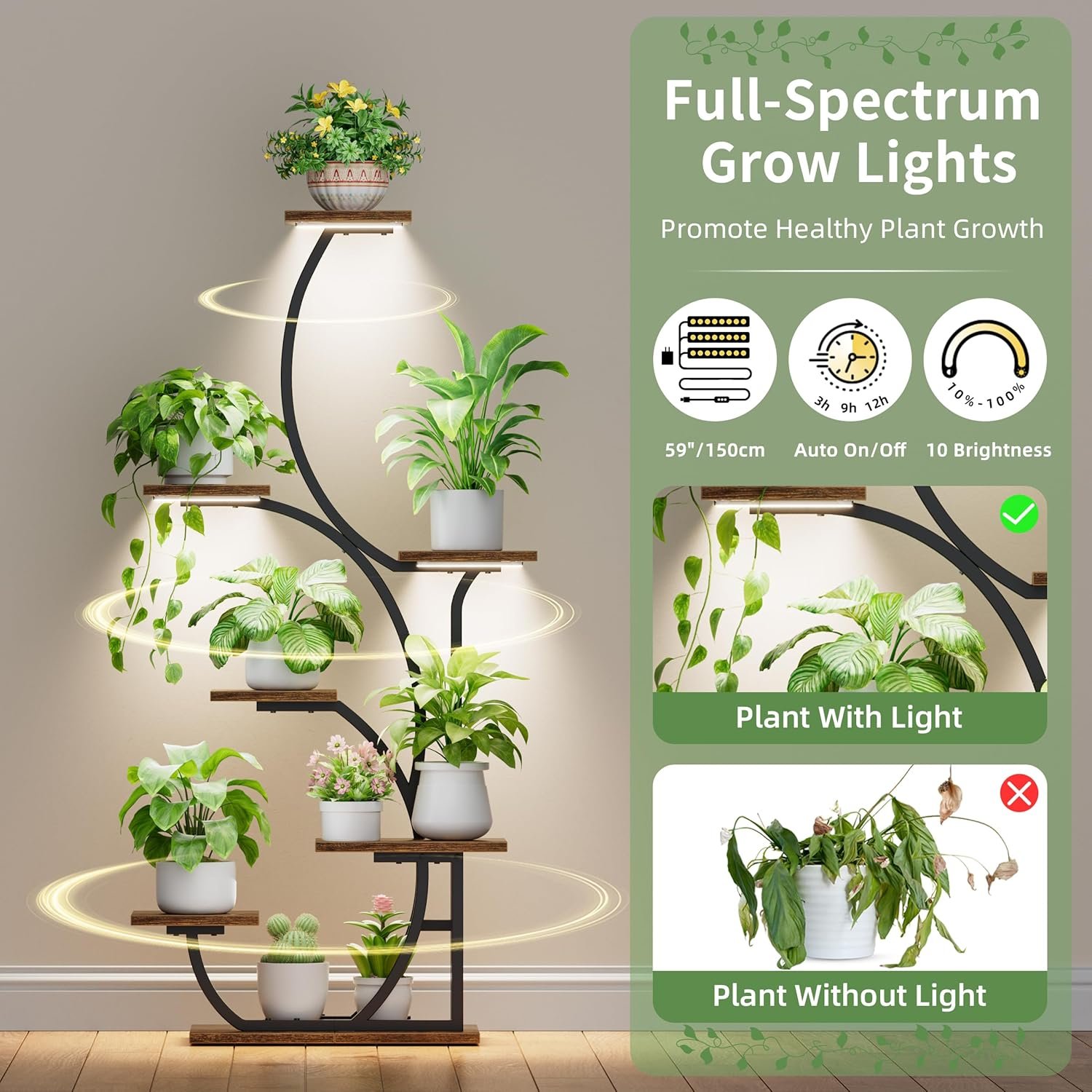
Full-spectrum LED lights provide the perfect wavelengths for healthy plant growth
Why a Multi-Tier Stand Maximizes Your Growing Potential
A vertical plant stand design offers numerous advantages over single-shelf solutions or scattered grow lights:
📏 Vertical Space Efficiency
Stack plants vertically instead of spreading them horizontally. Grow 3-4x more plants in the same floor space—perfect for apartments.
💡 Integrated Lighting System
Each tier has dedicated lighting positioned at the optimal distance. No need to purchase separate lights or create DIY solutions.
🎨 Organized Display
Create an attractive, cohesive plant display rather than cluttered arrangements. Group plants by light needs on different tiers.
⚙️ Adjustable Configuration
Many stands offer adjustable shelf heights to accommodate plants of varying sizes, from seedlings to mature specimens.
Best Plants for Grow Light Stands
While grow lights can support virtually any plant, certain varieties absolutely flourish under artificial lighting:
- 🌿 Herbs: Basil, cilantro, parsley, mint, thyme. Grow fresh herbs year-round regardless of weather or season.
- 🥬 Leafy Greens: Lettuce, spinach, arugula, kale, microgreens. Perfect for edible indoor gardens with quick harvest cycles.
- 🌸 Flowering Houseplants: African violets, orchids, begonias, peace lilies. Get blooms even in windowless rooms.
- 🌱 Foliage Plants: Pothos, philodendron, spider plants, snake plants. Maintain vibrant color and compact growth.
- 🌵 Succulents & Cacti: Prevent etiolation (stretching) that occurs in low light. Maintain tight rosettes and proper form.
- 🌾 Seedling Starts: Start seeds for outdoor gardens 6-8 weeks early. Produce strong, healthy transplants.
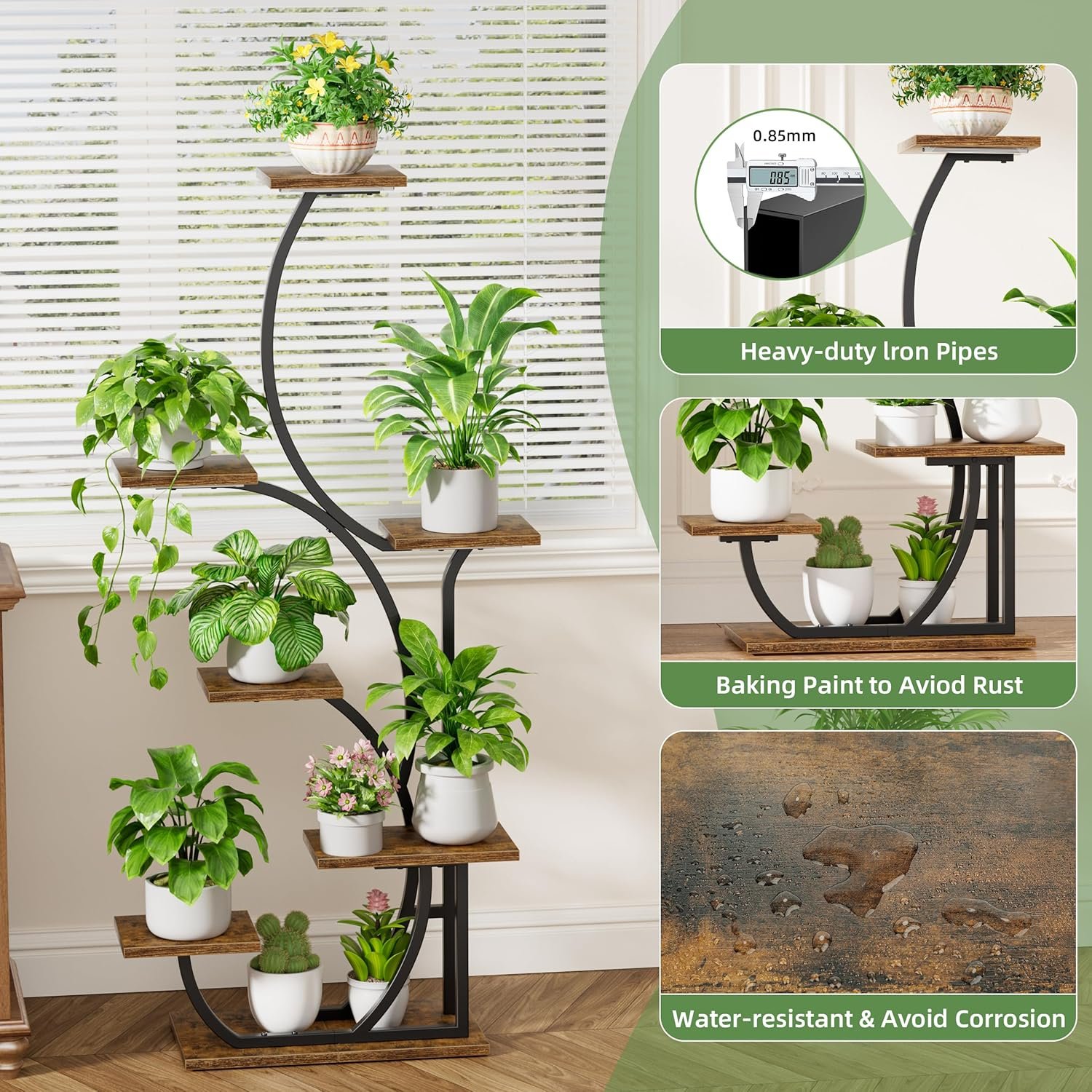
A beautiful indoor garden flourishing under optimal LED lighting conditions
Complete Setup Guide: From Box to Blooms
Setting up your LED plant stand correctly ensures maximum results:
Step-by-Step Installation
- 1. Choose the location: Select a spot with access to electrical outlets. While grow lights eliminate the need for windows, consider humidity (good for plants) and temperature (avoid heating vents).
- 2. Assemble the stand: Follow manufacturer instructions carefully. Ensure the stand is level and stable—wobbly stands risk plant disasters.
- 3. Position the lights: Most plants need lights 6-12 inches away. Closer for high-light plants (succulents, herbs), further for low-light varieties (pothos, ferns).
- 4. Set up timers: Invest in automatic timers for consistent photoperiods. Most plants need 12-16 hours of light daily. Consistency matters more than total hours.
- 5. Arrange plants strategically: Place light-hungry plants on upper tiers (lights are often stronger there). Lower tiers work for shade-tolerant species.
- 6. Test and adjust: Run lights for a week and observe plant response. Adjust height if you see light stress (bleached leaves) or insufficient light (stretching).
- 7. Monitor temperature: LEDs produce minimal heat, but clustered plants can create humid microclimates. Ensure good air circulation.
Light Timing & Photoperiod: Getting It Right
Understanding photoperiod requirements is crucial for plant success:
| Plant Type | Daily Light Hours | Notes |
|---|---|---|
| Leafy Greens | 12-16 hours | Longer light = faster growth |
| Herbs | 14-16 hours | High light needs |
| Flowering Plants | 12-14 hours | Some need dark periods to bloom |
| Succulents/Cacti | 12-14 hours | Bright, direct light |
| Foliage Plants | 10-12 hours | Moderate requirements |
| Seedlings | 14-18 hours | Maximum for strong growth |
Common Mistakes to Avoid
Even with quality equipment, these errors can sabotage your indoor garden:
- ❌ Lights too far away: Plants still stretch when lights are positioned too high. Follow the 6-12 inch guideline strictly.
- ❌ Inconsistent timing: Running lights at random times confuses plant circadian rhythms. Use automatic timers for consistency.
- ❌ 24-hour lighting: Plants need darkness for respiration and rest. Always provide at least 6-8 hours of darkness daily.
- ❌ Ignoring light intensity decline: LED lights degrade over time. Replace bulbs every 2-3 years even if they still illuminate.
- ❌ Overcrowding shelves: Dense planting blocks light penetration. Leave space between pots for air circulation and even lighting.
- ❌ Wrong spectrum: Standard white LEDs aren't grow lights. Ensure you're using full-spectrum or red/blue LED combinations.
- ❌ Neglecting rotation: Even under grow lights, outer plants get more light. Rotate plant positions weekly for uniform growth.
Energy Efficiency & Cost Considerations
One of the biggest advantages of LED grow lights is their efficiency:
- Low energy consumption: A typical 4-tier LED plant stand uses 40-80 watts total—less than a standard light bulb
- Minimal heat output: LEDs convert 80-90% of energy to light vs. fluorescent (30-40%) and incandescent (5-10%)
- Long lifespan: Quality LEDs last 50,000+ hours—approximately 17 years at 8 hours daily
- Operating costs: Running a 60-watt stand 14 hours daily costs roughly $3-5 per month at average electricity rates
- No bulb replacement: Unlike fluorescent systems requiring frequent bulb changes, LEDs last for years
- Return on investment: Growing your own herbs and greens quickly recoups the initial investment in equipment
Perfect For These Situations
This multi-tier plant stand with grow lights is especially valuable for:
- • Basement apartments: Turn windowless spaces into productive gardens
- • North-facing windows: Supplement weak natural light with professional-grade LED lighting
- • Winter growing: Maintain summer growth rates during short, dark winter months
- • Seed starting: Get a head start on the outdoor growing season with healthy transplants
- • Rental restrictions: Create a garden without permanent installations or structural changes
- • Limited floor space: Grow vertically when horizontal space is at a premium
- • Year-round herbs: Enjoy fresh culinary herbs regardless of outdoor weather conditions
- • Plant propagation station: Root cuttings and propagate plants under optimal lighting
- • Office environments: Bring greenery to cubicles and windowless workspaces
Maintenance & Care Tips
Keep your growing station operating at peak performance:
- Wipe LED panels monthly with a soft, dry cloth to remove dust that reduces light output
- Check timer settings regularly—power outages can reset automatic timers
- Inspect electrical connections quarterly for safety; replace damaged cords immediately
- Clean shelves between plantings to prevent pest and disease transfer
- Monitor plants for light burn (bleached leaves) or insufficiency (stretching) and adjust accordingly
- Ensure adequate drainage—water should never pool on shelves or near electrical components
- Use a small fan to promote air circulation and prevent fungal issues in humid conditions
Grow Lights vs. Natural Light: Understanding the Difference
While nothing perfectly replicates outdoor sunlight, quality LED grow lights offer distinct advantages:
✓ Advantages of Grow Lights
- • Consistent, year-round intensity
- • Controllable photoperiod
- • No seasonal variation
- • Optimal spectrum selection
- • Location independence
- • Adjustable distance/intensity
✓ Advantages of Natural Light
- • Full UV spectrum
- • No electricity costs
- • Natural day/night cycles
- • Broader color temperature
- • Infinite intensity (outdoors)
- • Vitamin D for nearby humans
🌱 Start Your Indoor Garden Revolution Today
Stop letting poor lighting limit your plant collection. This multi-tier LED grow light stand turns any space into a thriving garden—no windows required.
🛒 Get Your Plant Stand Now✓ Full-spectrum LEDs | ✓ Multi-tier design | ✓ Energy efficient
*As an Amazon Associate, we earn from qualifying purchases
📚 Related Articles
Affiliate Disclosure: This article contains Amazon affiliate links. When you purchase through these links, we may earn a small commission at no additional cost to you. This helps us continue creating helpful content for indoor gardening enthusiasts.
Our recommendations are based on extensive experience with indoor growing systems and LED technology. We only recommend products that solve real challenges faced by indoor gardeners and deliver measurable results.