Keter Elevated Garden Bed: The Perfect Raised Planter for Small Space Vegetable Growing
Discover how this easy-to-assemble elevated planter transforms balconies and patios into productive vegetable gardens—no bending, no weeds, just fresh homegrown produce
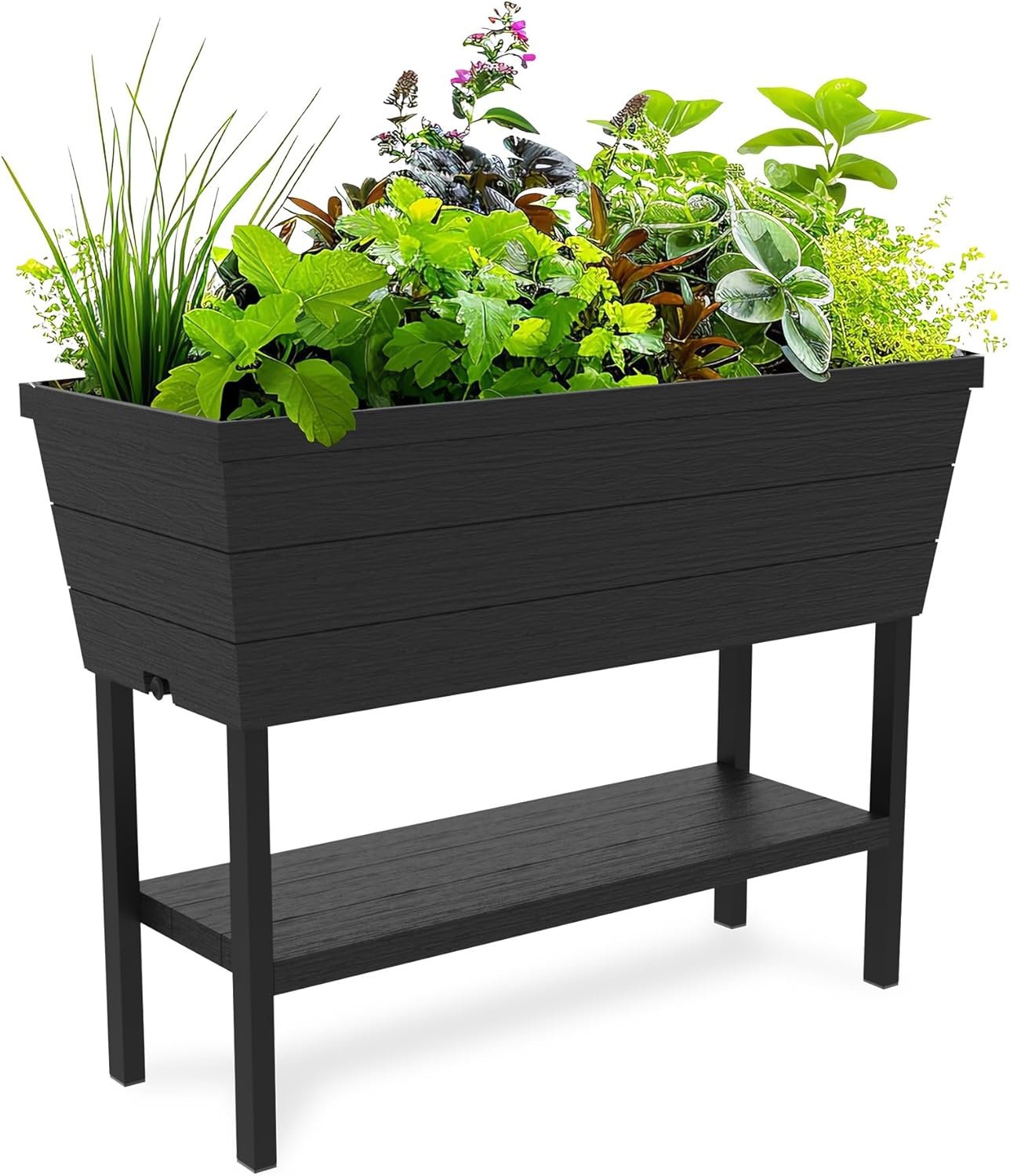
Growing your own vegetables and herbs shouldn't require a backyard or hours of back-breaking work. The Keter Elevated Garden Bed brings container gardening to the perfect height, making it ideal for balconies, patios, and small urban spaces. This innovative raised planter eliminates the need to kneel or bend, features built-in drainage, and assembles in minutes without tools. Whether you're growing tomatoes, lettuce, herbs, or flowers, this elevated bed provides the depth, space, and accessibility that make urban gardening successful and enjoyable for everyone—from beginners to experienced gardeners.
🌱 Start Growing Your Own Vegetables Today
Easy assembly, perfect height, ideal for balcony gardens. Transform your space now!
Check Price on Amazon →*Affiliate link - Supporting urban gardeners worldwide
Why Elevated Garden Beds Are Game-Changers
Elevated raised beds have revolutionized urban gardening by solving the most common problems that prevent people from growing their own food. Traditional ground-level gardens require bending, kneeling, and dealing with poor soil, weeds, and ground pests. An elevated planter like the Keter system raises your garden to a comfortable working height—typically around waist level—making planting, maintenance, and harvesting as easy as standing at your kitchen counter.
🌿 Top Benefits of Elevated Garden Beds
- ✓ Ergonomic height: No bending or kneeling required—perfect for all ages
- ✓ Better drainage: Elevated design prevents waterlogging and root rot
- ✓ Weed-free gardening: No connection to ground soil means fewer weeds
- ✓ Pest reduction: Height deters rabbits, slugs, and ground-dwelling pests
- ✓ Extended season: Soil warms faster in spring, drains better in winter
- ✓ Space efficiency: Perfect for balconies, patios, and concrete surfaces
- ✓ Mobility: Can be relocated if needed (when empty)
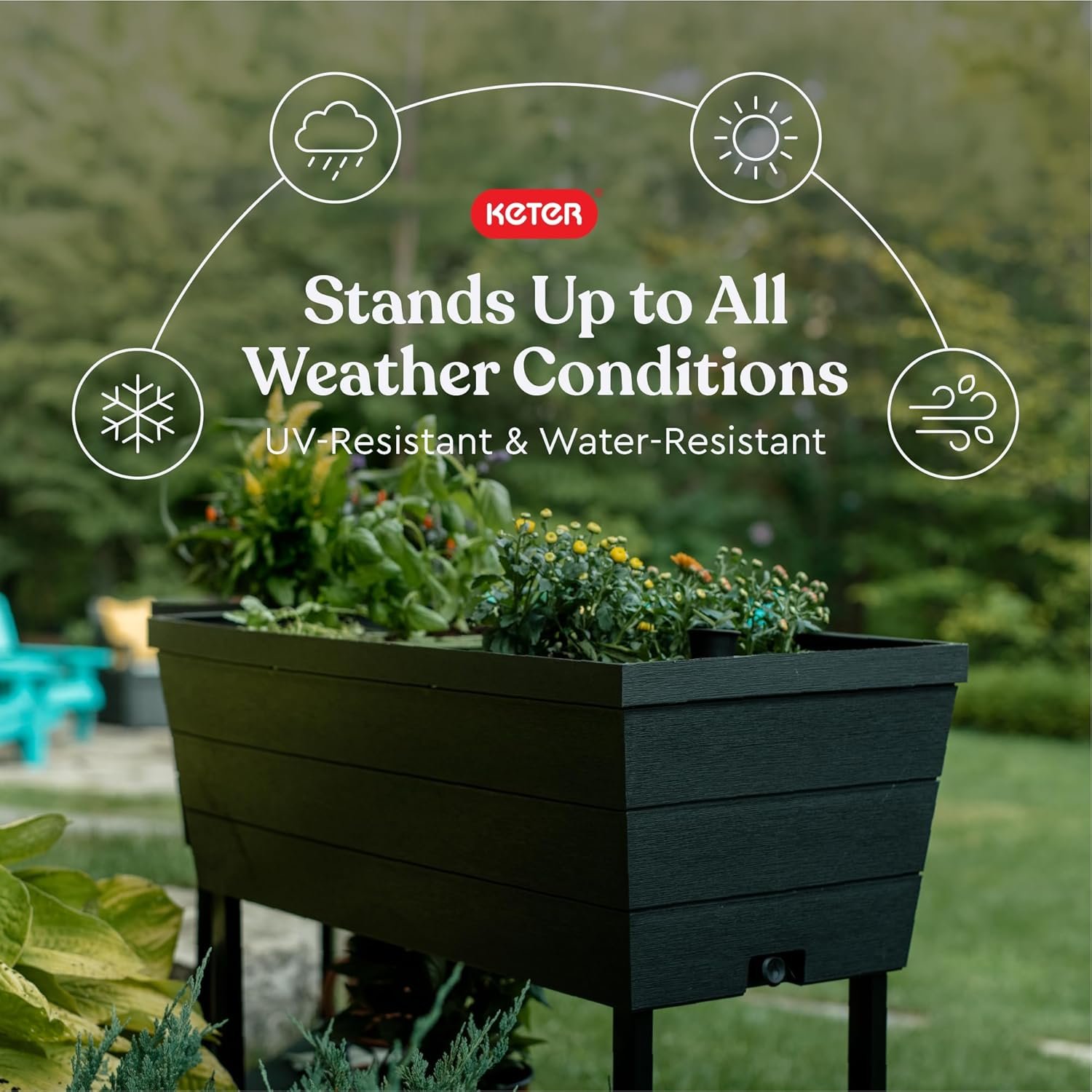
Durable construction with excellent drainage system built-in
Keter Elevated Planter: Key Features That Stand Out
The Keter Bloomer Elevated Garden Bed isn't just another planter box—it's a thoughtfully designed system that addresses real gardening challenges:
- 🔧 Tool-Free Assembly: Clicks together in under 30 minutes. No screws, no tools, no complicated instructions. Just snap the pieces together and start planting.
- 📏 Optimal Depth (12+ inches): Deep enough for most vegetables including tomatoes, peppers, carrots, and leafy greens. Roots have room to develop fully.
- 💧 Built-In Drainage System: Integrated drainage holes and removable plugs allow you to control water flow. Prevents overwatering while keeping soil moist.
- 🏠 Weather-Resistant Resin: UV-protected plastic won't fade, crack, or warp. Withstands sun, rain, snow, and temperature extremes year after year.
- 🎨 Stylish Design: Modern graphite color and wood-like texture blend beautifully with any outdoor décor. Looks like expensive wood without the maintenance.
- ⚖️ Sturdy Legs: Stable design supports the weight of soil, plants, and water without sagging or tipping—safe on any flat surface.
What Can You Grow in an Elevated Garden Bed?
The beauty of this raised bed planter is its versatility. With 12+ inches of depth and ample surface area, you can grow a surprising variety of plants:
🍅 Vegetables
Best choices: Tomatoes (compact varieties), peppers, lettuce, spinach, kale, Swiss chard, radishes, green beans, peas, carrots (short varieties), and green onions.
Tip: Plant taller crops (tomatoes, peppers) in the back or center, leafy greens around edges.
🌿 Herbs
Perfect herbs: Basil, cilantro, parsley, thyme, oregano, mint, rosemary, sage, and chives. Create a complete kitchen herb garden in one bed.
Tip: Keep invasive herbs like mint contained to prevent them from overtaking the bed.
🌸 Flowers
Beautiful options: Marigolds, petunias, pansies, zinnias, and sunflowers (dwarf varieties). Mix edible flowers like nasturtiums with vegetables.
Tip: Flowers attract pollinators which help vegetable production significantly.
🍓 Fruits
Compact fruits: Strawberries (excellent choice), dwarf blueberries, and compact melon varieties. Strawberries along the edges cascade beautifully.
Tip: Dedicate one bed to strawberries for an abundant harvest in spring and summer.
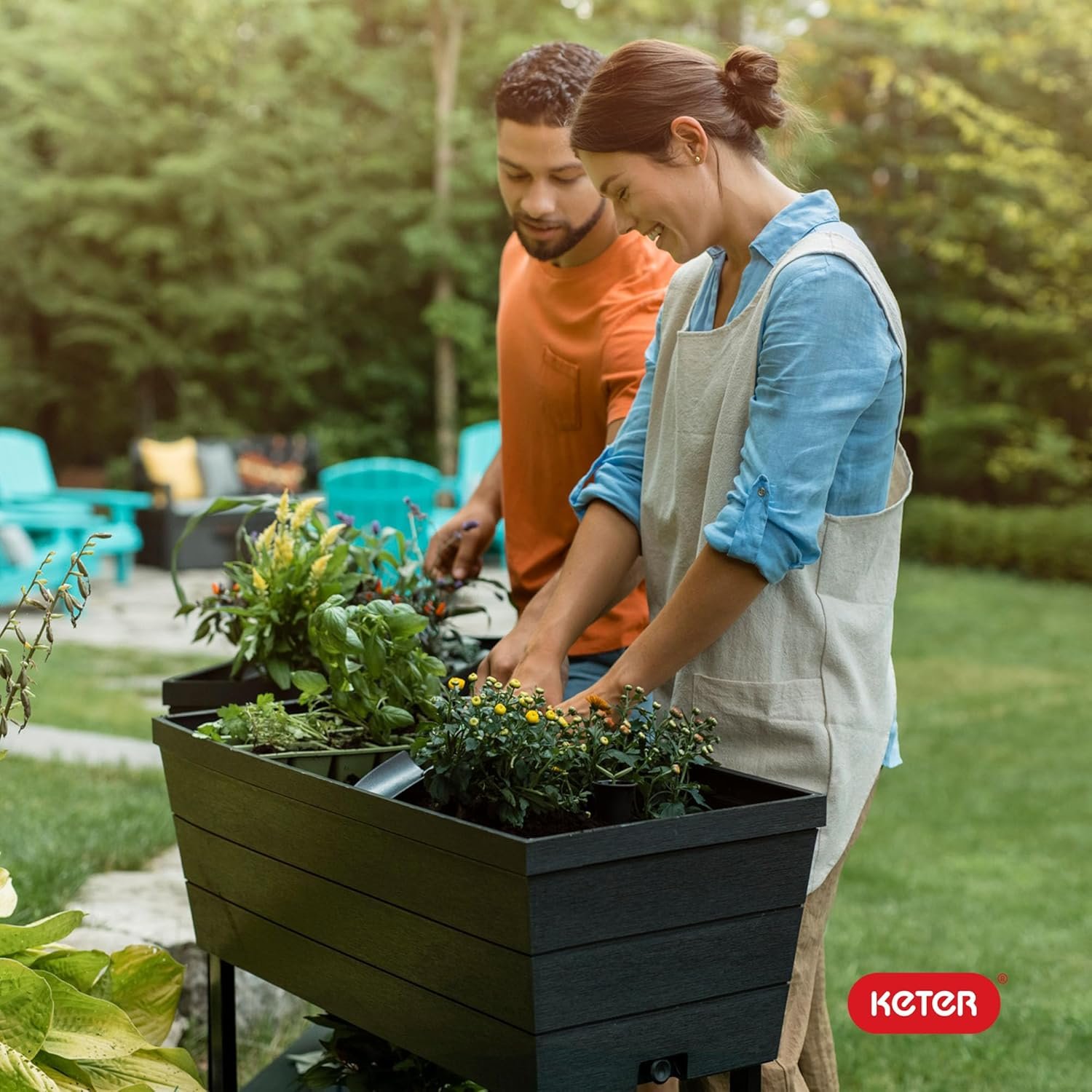
A thriving elevated garden producing fresh vegetables and herbs
Step-by-Step Setup Guide
Setting up your Keter elevated garden bed is straightforward. Here's how to get started:
Complete Setup Process
- 1. Choose your location: Select a spot that receives 6-8 hours of sunlight for vegetables (4-6 hours for leafy greens and herbs). Ensure the surface is level and can support weight.
- 2. Assemble the bed: Snap pieces together following the simple instructions. Takes 20-30 minutes. No tools needed—literally just click and lock.
- 3. Add landscape fabric (optional): Line the bottom with landscape fabric to prevent soil from falling through drainage holes while still allowing water to escape.
- 4. Fill with quality soil: Use a mix of potting soil, compost, and perlite for best results. You'll need approximately 2-3 cubic feet of soil mix depending on the exact model size.
- 5. Water thoroughly before planting: Soak the soil completely and let it settle for a day. Top up with more soil if it compacts significantly.
- 6. Plan your layout: Sketch where each plant will go, considering mature sizes, sun requirements, and companion planting principles.
- 7. Plant and water: Plant seedlings or seeds according to package directions. Water gently but thoroughly after planting.
Soil Mix Recipe for Elevated Beds
The right soil mix is crucial for success in raised beds. Here's a proven formula:
Perfect Raised Bed Soil Mix
- • 50% high-quality potting soil - Provides structure and base nutrients
- • 30% compost or composted manure - Adds nutrients and beneficial microbes
- • 20% perlite or vermiculite - Improves drainage and aeration
- • Optional additions: Worm castings (nutrient boost), coconut coir (moisture retention), or slow-release organic fertilizer
Important: Never use pure garden soil—it's too heavy and compacts in containers, suffocating roots and preventing drainage.
Watering and Maintenance Tips
Elevated beds have different watering needs than ground gardens. Here's what you need to know:
- Check moisture daily: Stick your finger 2 inches into soil. If dry, water. If moist, wait. Elevated beds dry out faster than ground beds
- Water deeply, less often: When you water, soak thoroughly until water drips from drainage holes. This encourages deep root growth
- Morning is best: Water in early morning to minimize evaporation and allow foliage to dry before evening (prevents disease)
- Mulch the surface: Add 2 inches of straw, wood chips, or shredded leaves to retain moisture and regulate soil temperature
- Feed regularly: Container plants need more frequent fertilizing. Apply liquid fertilizer every 2-3 weeks or use slow-release granules
- Monitor drainage: If water pools on top, soil may be compacted. Gently loosen with a hand fork and add more perlite
Seasonal Growing Calendar
Maximize your harvest by planting the right crops at the right time:
Start with cool-season crops: lettuce, spinach, peas, radishes, carrots. As soil warms, add tomatoes, peppers, and herbs after last frost.
Peak harvest season. Focus on tomatoes, peppers, beans, cucumbers, and basil. Water daily during hot weather. Provide shade cloth if temperatures exceed 95°F regularly.
Plant cool-season crops again: kale, lettuce, broccoli, cauliflower. Many taste sweeter after light frost. Extend season with row covers.
In mild climates, grow hardy greens and herbs. In cold climates, let bed rest or grow cold-hardy vegetables under protective covers. Plan next season's garden.
Common Mistakes to Avoid
Learn from others' experiences—avoid these frequent pitfalls:
- ❌ Overcrowding plants: Follow spacing guidelines on seed packets. Crowded plants compete for nutrients, light, and air circulation, leading to poor yields and disease.
- ❌ Using garden soil instead of potting mix: Garden soil is too heavy for containers and doesn't drain properly. Always use a proper container mix.
- ❌ Ignoring drainage: If drainage plugs are closed, water can't escape and roots will rot. Keep at least some plugs open or partially open.
- ❌ Forgetting to feed plants: Container plants exhaust nutrients faster. Regular feeding is essential for healthy growth and good harvests.
- ❌ Placing in too much shade: Most vegetables need 6+ hours of direct sun. Check your location before setup—you can't easily move a filled bed.
Who Should Buy This Elevated Garden Bed?
This Keter raised planter is ideal for:
- Apartment and condo dwellers with balconies or small patios
- Seniors and people with mobility issues who can't bend or kneel easily
- Beginners wanting a simple, foolproof way to start vegetable gardening
- Renters who need a portable, non-permanent garden solution
- Families wanting to teach children about growing food in an accessible way
- Anyone with poor ground soil who wants to avoid dealing with clay, rocks, or contaminated earth
- Urban gardeners maximizing concrete patios and balcony spaces
Maintenance and Longevity
With minimal care, your Keter elevated bed will last for many years:
- Clean with mild soap and water at the end of each season
- Refresh top 2-3 inches of soil annually with fresh compost
- Every 2-3 years, completely replace soil to prevent nutrient depletion and disease buildup
- Check drainage holes periodically and clear any clogs
- In extreme cold, drain excess water to prevent ice damage (though the plastic is freeze-thaw resistant)
- Store empty if moving or if bed won't be used for an extended period
🌱 Start Your Vegetable Garden Journey Today
Don't let limited space or physical limitations stop you from growing fresh, organic vegetables. The Keter Elevated Garden Bed makes it easy, accessible, and enjoyable for everyone.
🛒 Get Your Elevated Garden Bed✓ Tool-free assembly | ✓ Perfect height | ✓ Weather resistant
*As an Amazon Associate, we earn from qualifying purchases
📚 Related Articles
Affiliate Disclosure: This article contains Amazon affiliate links. When you purchase through these links, we receive a small commission at no extra cost to you. This helps us continue creating helpful content for urban gardeners.
Our recommendations are based on real container gardening experience and extensive product research. We only recommend products that genuinely help people succeed with small-space vegetable growing.